

A new resource by the Multicultural Centre for Women’s Health explores the unique challenges faced by older migrant women during the pandemic
By Giang Tran and Amy Tong, Multicultural Centre for Women’s Health
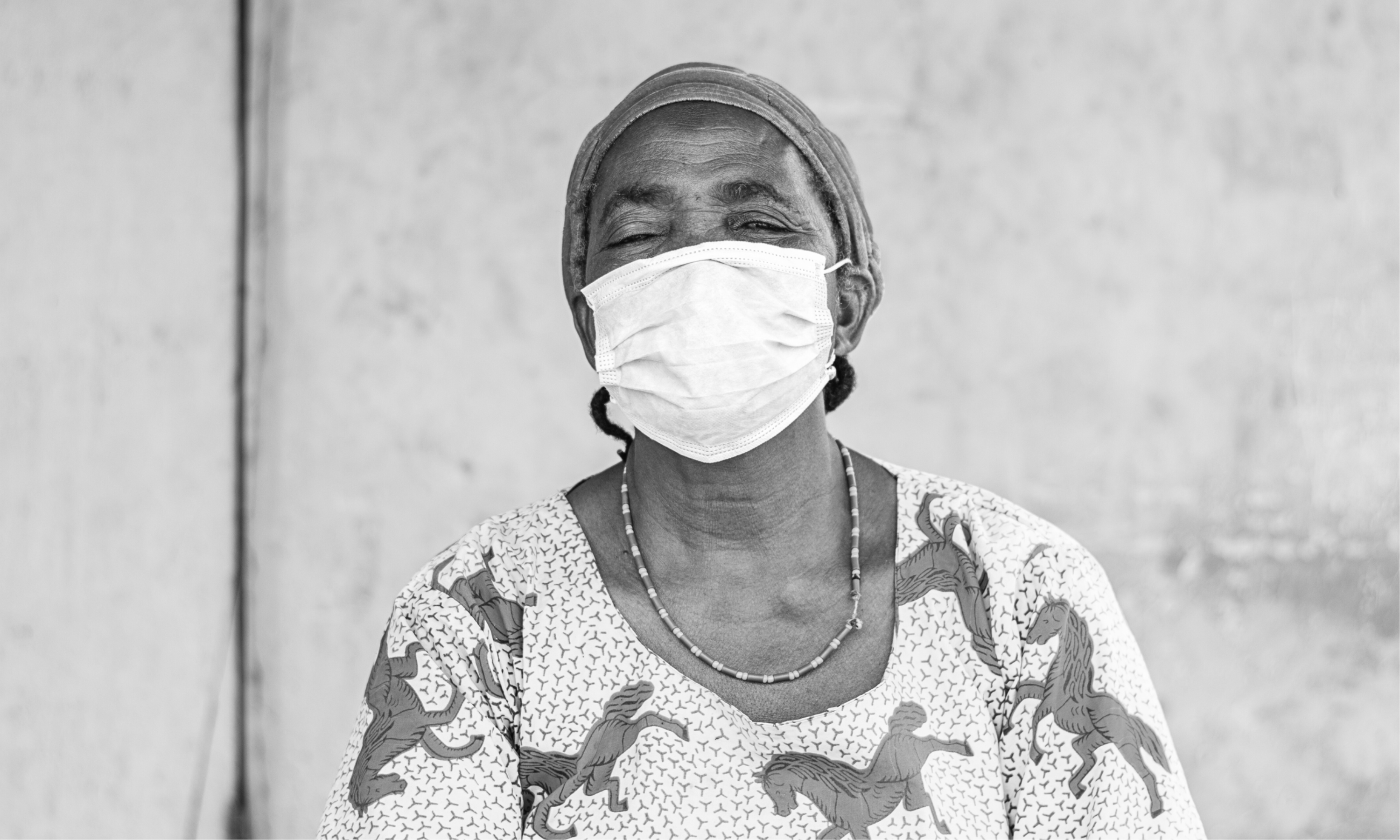
Research has shown that migrants and refugees were disproportionately affected by COVID-19 in Australia due to structural, cultural and linguistic barriers to accessing information, healthcare and financial support. People from diverse backgrounds experienced higher rates of COVID-19 incidence and were more likely to suffer severe symptoms, leading to hospitalisation and death.
Very little is known, however, about the experiences of older migrant and refugee women during the pandemic. Seniors living in residential aged care were one of the worst affected groups, with the Australian Institute of Health and Wellbeing reporting that 75% of all COVID-related deaths in the first year were aged care residents.
Yet, despite such alarming statistics, limited data collection and research has been conducted to understand the experiences of older women from migrant and refugee communities.
This gap in knowledge was a major motivating factor for the publication of ‘Community insights: COVID-19 response and recovery for older migrant and refugee women. Produced by the Multicultural Centre for Women’s Health (MCWH), this new resource gathers insights from in-depth interviews with older migrant and refugee women across Melbourne.
The resource grew out of MCWH’s COVID 65+ project which engaged more than 1200 women in bilingual information sessions that aimed to enhance their vaccine literacy and empower them to make informed decisions about their health.
The interviews held as part of the MCWH project shed light on the unique challenges older migrant and refugee women faced during the pandemic.
Many described how social isolation, navigating two ‘homelands,’ juggling intergenerational caregiving and ageing in a foreign country with limited levels of digital literacy and English proficiency became even more difficult in the pandemic.
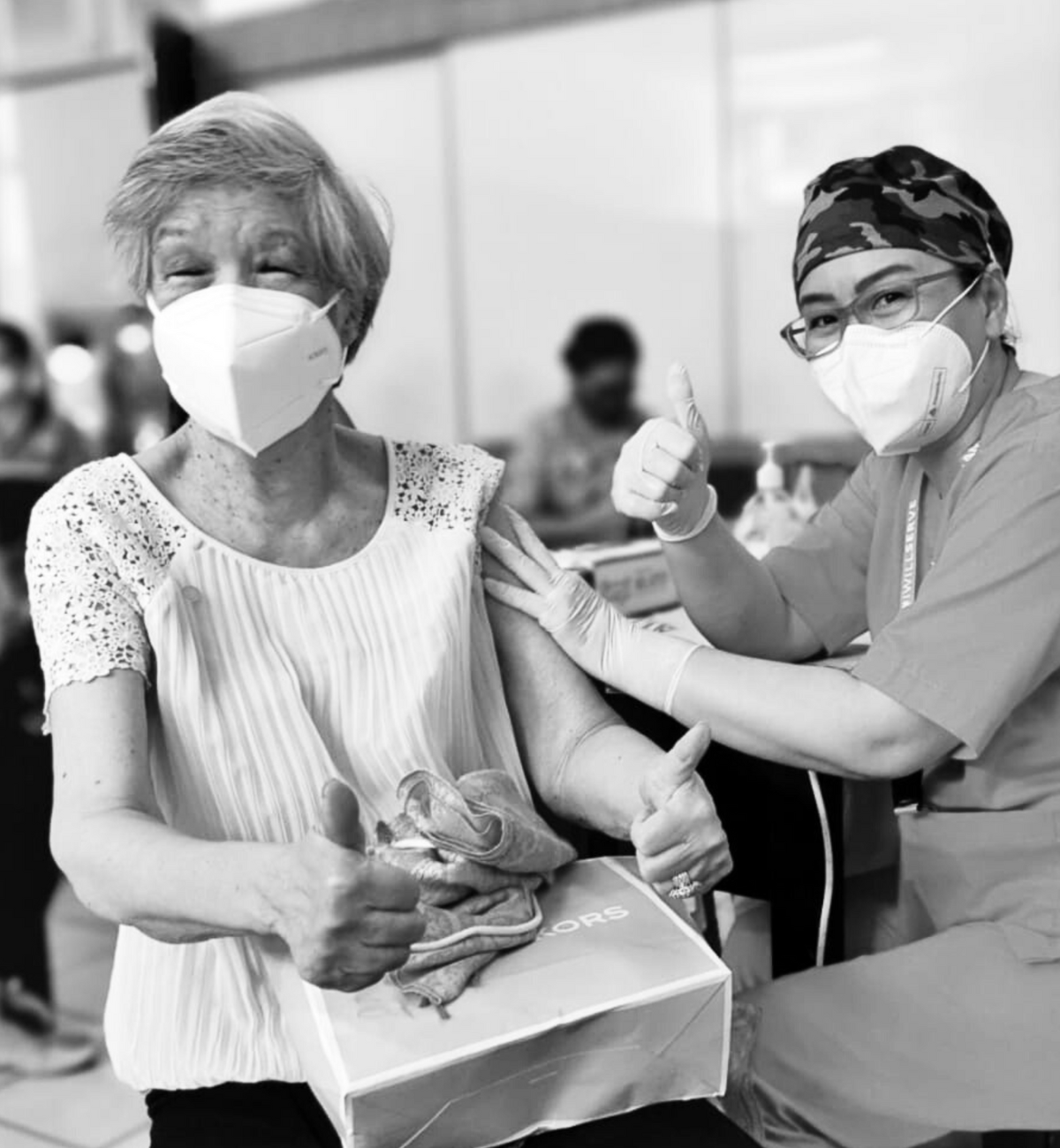 “I often felt like my spirit was weighed down,” said 70-year-old Mei, who migrated with her husband to Australia from China in 2018.
Mei also experienced heightened racism during this period and revealed it was the first time she had felt targeted and unsafe since moving to Melbourne.
“There have been incidents where people avoid interacting with me or even cross the street after seeing me,” she said.
When Stage 4 restrictions were implemented, Mei was unable to travel outside a 5km radius to visit her children and grandchildren. She also lost contact with her friends at the local seniors’ centre, where she was an active member, when it was forced to shut down.
Mei’s experiences of racism coupled with the lack of information and support to stay connected with her family and community isolated her further and impacted negatively on her mental health.
But Mei was not alone in her experience. MCWH’s new resource emphasises that systemic barriers prevented migrant and refugee women from accessing the information and support they needed to navigate and adapt to pandemic life.
On top of the multiple pre-existing hardships migrant and refugee women already faced, such as financial stress, separation from family and community, housing insecurity, and increased hours of unpaid care work, the MCWH team also learned that:
• COVID-19 information was not culturally tailored nor readily available in languages other than English.
• Visa restrictions meant that some were ineligible for Medicare and other forms of government support, rendering essential healthcare and financial relief support unavailable.
• Many migrant women worked in sectors where working from home was not an option, such as childcare, aged care, retail, hospitality, which placed them at heightened risk of infection.
For older migrant and refugee women with pre-existing chronic health conditions, the shift to telehealth—along with the shortage of culturally and linguistically responsive services and interpreters available at a time of critical healthcare importance—added further stress and anxiety. These challenges were worsened by the lack of culturally tailored and in-language information on COVID-19 and vaccines.
The resource is a timely reminder that while COVID-19 does not discriminate, its impacts are not equal.
To ensure that older women from migrant and refugee backgrounds are not left behind in future emergencies, the ‘Community insights’ resource recommends that government and industry recognise the importance of multicultural and multifaith organisations in delivering culturally responsive support to their community members, especially in times of crisis.
Several of the women interviewed advocated for the ongoing resourcing of multicultural organisations and community leaders to provide timely, accurate and tailored information and support. Others expressed a preference for bilingual health education, sharing how these sessions helped them connect with others, regain a sense of independence, and better advocate for their health and wellbeing.
Read more community insights in the resource here. If you would like to learn more about MCWH’s Bilingual Health Education program and what sessions are available near you, please contact programs@mcwh.com.au.

This article was published in the
Spring 2024 edition of Golden Years.